Preapproved Building Plans Help Cities Improve Housing Affordability | The Pew Charitable Trusts
Drawings cleared in advance save time and costs for municipalities and builders
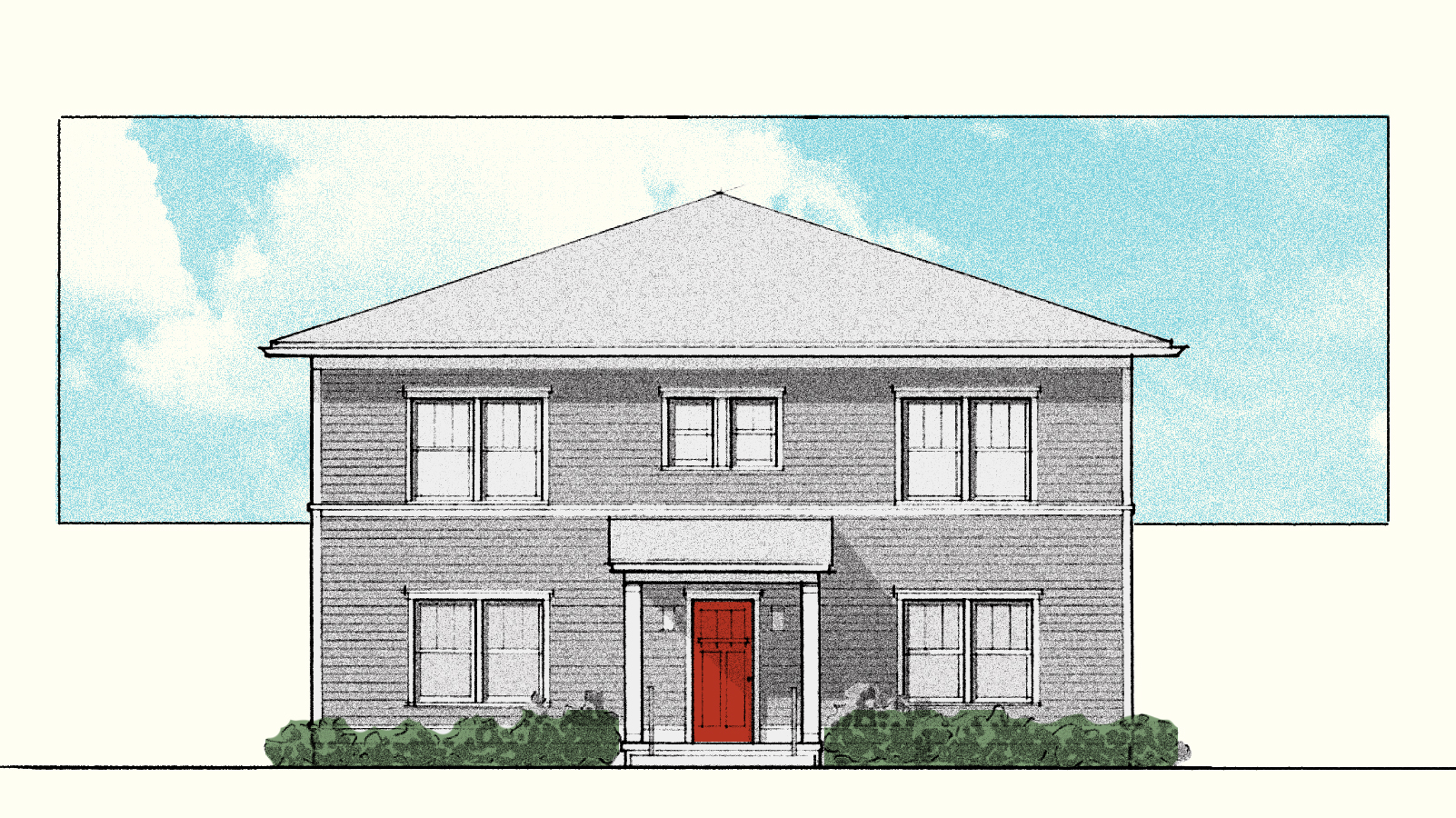
Key Findings & Benefits
Reduces Costs: Using preapproved plans saves developers an estimated 1% to 2% in total construction costs (about $5,000 to $10,000 on a $500,000 home) by reducing spending on architects and engineers.
Saves Time: It eliminates the case-by-case discretionary review board process, significantly shortening preconstruction timelines. In Seattle, for example, preapproved plans reduced approval times by a factor of 2.6.
Focuses on "Missing Middle" Housing: Most current programs focus on smaller structures like Accessory Dwelling Units (ADUs), single-family homes, and duplexes, though some cities include small multifamily units (up to 6 or 12 units).
Benefits Municipalities: Cities save staff review time and see improved land utilization through more infill development (building in existing neighborhoods using established infrastructure). It also lowers the barrier of entry for smaller, local developers.
Implementation Models
Pattern Books (Catalogs): A published catalog of predesigned homes tailored to local architectural styles. Examples include South Bend, Indiana's "Build South Bend Toolkit" and Jackson, Michigan's "100 Homes Program."
Self-Submitted / Reuse Plans: Programs that allow a developer to register a previously approved plan for expedited reuse on future projects, or a digital "library" of shared, pre-cleared designs (used in places like Hawaii County and California).
Note: While promising, the report notes that preapproved plans are a nascent policy tool (used by roughly 40 U.S. jurisdictions and mandated statewide for ADUs in California) and are most effective when paired with broader zoning reforms like eliminating parking mandates or reducing lot sizes.
the true, often overlooked bottleneck in solving the housing crisis is the slow and administrative permitting review process.
While AI cannot physically build homes or fix zoning laws, it can drastically accelerate housing production by rethinking and streamlining government workflows—catching application errors early, reducing review backlogs, and cutting approval times significantly (by up to 70%, as demonstrated in Honolulu). The goal is to completely reinvent how local governments operate rather than just digitizing a broken process.

No comments:
Post a Comment