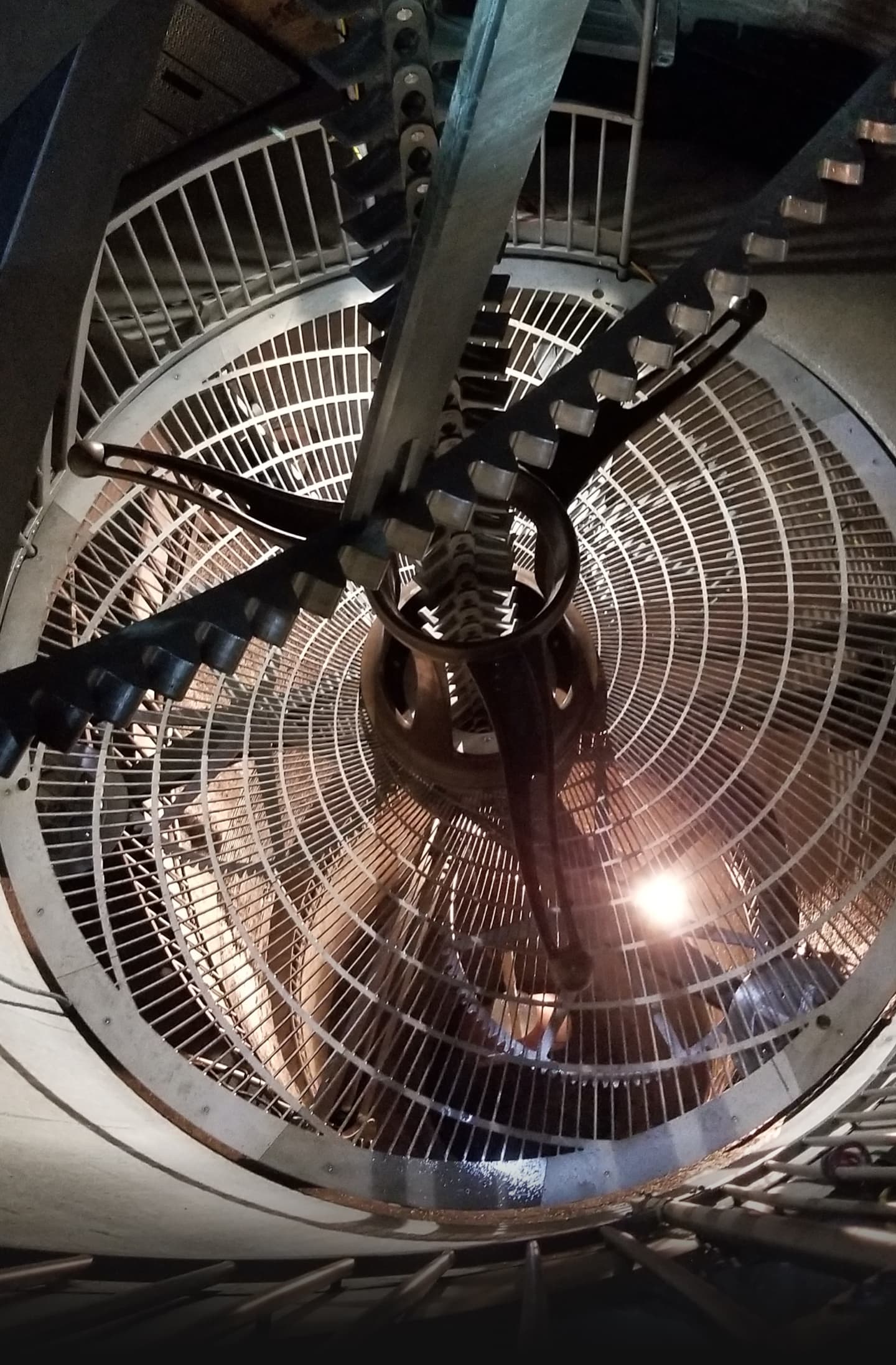
a good philosophy, think and do long term
also interesting design challenge, both for nature and engineering
fascinating
How do things last? Part 2: Millennia with Alexander Rose – David Eagleman
What is a 10,000 year clock? What is the Y10k bug? What allows some organizations to last a millennium? What do ancient ceramics have to do with ball bearings in satellites? What does any of this have to do with bristlecone pine trees, cymbals, or an extant hotel that launched in the sixth century? Join today for thinking about ourselves on a 10,000 year timescale with guest Alexander Rose.The Long Now Foundation
The 10000 Year Clock
(also known as the Clock of the Long Now)
The Rosetta Project
Alexander (Zander) Rose
Key Takeaways:
- The 10,000-Year Clock: A project designed to endure for 10 millennia, highlighting the need to look beyond short-term election cycles (5:55-6:02). It is powered by temperature changes and requires human interaction to wind (13:12).
- Digital Dark Age: Modern digital data is surprisingly fragile (4:40). Hard drives fail and formats become obsolete faster than stone or paper (42:30).
- Long-Lasting Organizations: Successful long-term institutions share traits like flexibility, storytelling, and being right-sized rather than focused on exponential growth (30:35-39:10).
- Examples: The oldest hotel in Japan (started in 718) and the ghats in Varanasi (managed for over 3,000 years) (23:42-24:42).
- Intentional Stewardship: We have a duty to consciously decide what knowledge, myths, and technologies to pass on to future generations (53:40).
How do things last? Part 1: Neurons to Civilizations – David Eagleman
What makes things last, and what do very different lasting things have in common? Why might a space alien not be able to understand music? Why do windows in medieval cathedrals look thicker at the bottom, and what does this reveal about the world’s religions? What was the most important weapon in ancient history, and how did it disappear? Join today for the story of persistence, from sharks to schizophrenia to Roman concrete to DNA.Seymour LM, Maragh J, Sabatini P, Di Tommaso M, Weaver JC, Masic A. Hot mixing: Mechanistic insights into the durability of ancient Roman concrete. Science Advances. 2023 Jan 6;9(1):eadd1602.