they are completely different technologies. In fact, they represent opposite ends of the spectrum in how we make wood durable and moisture-proof.
While both products achieve the same goal (creating a highly stable, moisture-resistant wall board without using toxic formaldehyde), the way they are manufactured, how they look, and how strong they are couldn't be more different.
Here is the exact breakdown between an engineered wood (like LP SmartSide) and Thermally Modified Wood (like the products sold by brands such as Woodplank or ThermoWood).
What is Thermally Modified Wood?
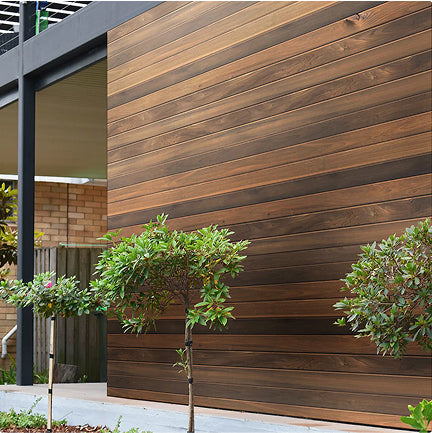
Thermally modified wood is 100% natural, solid wood (usually Ash, Pine, or Spruce) that has been "baked" or "roasted" in specialized oxygen-free kilns at extremely high temperatures (around 320°F to 410°F).
Because there is no oxygen in the kiln, the wood doesn't catch fire. Instead, the heat chemically alters the wood at a cellular level. It permanently cooks away the sugars (hemicellulose) that mold and termites eat, and it destroys the wood's ability to absorb water.
Here is how Thermally Modified Wood compares to LP SmartSide:
1. Composition and Health (Natural vs. Engineered)
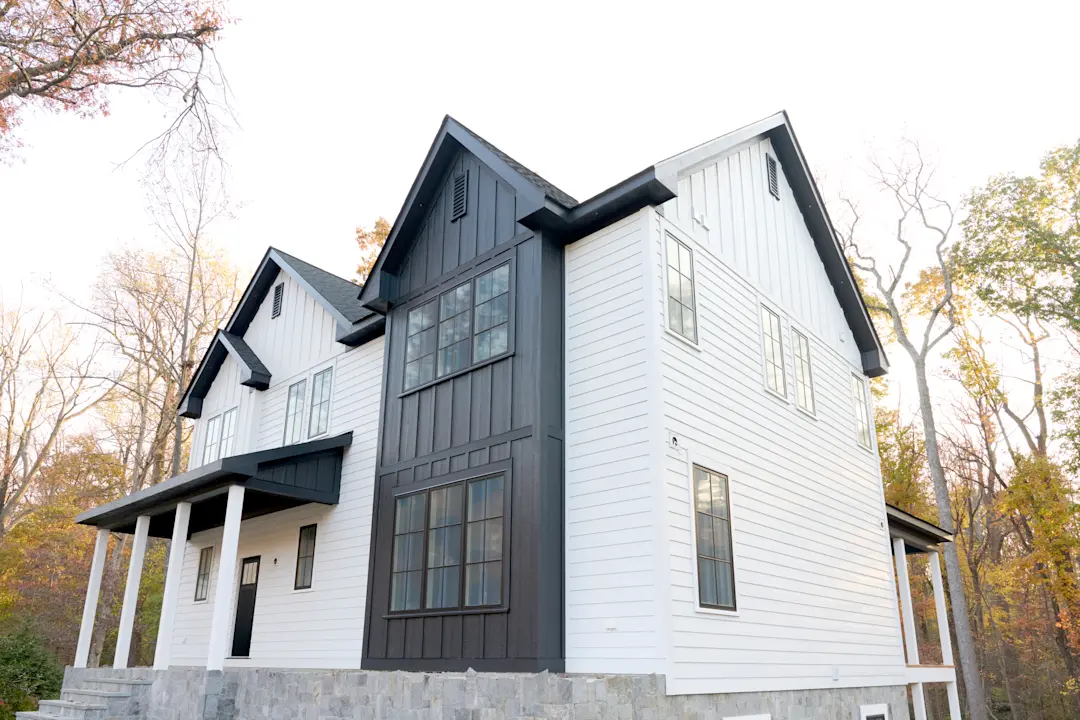
LP SmartSide: Is a composite. It takes wood strands and mixes them with polyurethane resins (pMDI) and zinc borate to make it strong and rot-resistant. While it is NAF (No Added Formaldehyde) and safe for indoor air quality, it is still a highly manufactured, synthetic product.
Thermally Modified Wood: Is 100% pure nature. There are absolutely zero chemicals, resins, plastics, or glues used. The only "ingredients" are wood, heat, and steam. For someone building a biologically pure "healthy home," thermally modified wood is the holy grail. (Bonus: It smells amazing when you install it—like roasted coffee or a faint campfire).
2. Aesthetics (Paint vs. Natural Beauty)
LP SmartSide: Is designed to be painted. It comes covered in a resin-paper face (either smooth or with a stamped faux-cedar texture). You use it when you want a solid color, like a white shiplap wall or a dark green wainscoting.
Thermally Modified Wood: Is designed to be seen. The baking process turns the wood a rich, dark, exotic brown (even if it started as pale white pine). You typically do not paint it; you oil it or leave it raw to show off the gorgeous natural wood grain. Brands like Woodplank cut these into thin strips for beautiful interior accent walls.
3. Impact Durability (Bulletproof vs. Brittle)
LP SmartSide (Winner): Because it is compressed with resins under massive pressure, LP is heavy, dense, and virtually bulletproof. It takes physical abuse from kids, dogs, and furniture brilliantly.
Thermally Modified Wood: Because all the moisture has been baked out of it, the wood becomes incredibly lightweight—but it also becomes brittle and softer than raw wood. It will split much easier if you hit it with a hammer or try to screw into it without pre-drilling. It is fantastic against water and mold, but it is not good at taking physical impacts.
4. Cost
LP SmartSide: Very affordable. It is a mass-produced exterior building material. You are looking at roughly $1.50 to $2.00 per square foot for material.
Thermally Modified Wood: Highly expensive. This is a premium luxury material. Brands selling thin interior planks usually charge $8.00 to $15.00+ per square foot. If you are buying structural boards, it is even more.
Summary: Which should you choose?
Choose LP SmartSide if:
You want to build a highly durable, indestructible wall (like a mudroom, hallway, or garage) that you plan to paint. It gives you massive strength and zero formaldehyde for a very reasonable price.
Choose Thermally Modified Wood (like Woodplank) if:
You want a stunning, rich, natural wood accent wall (like behind a bed or a living room TV). It gives you the absolute healthiest, 100% chemical-free wood product on the market, but you will pay a premium for it, and it shouldn't be placed where it will take physical abuse.
Thermally Modified Wood | WoodPlank
Thermal modification technology enhances wood by reducing its moisture content at the molecular level. This process stabilizes the wood dimensionally, minimizing movement for superior long-term performance in exterior applications. Backed by a 25-year durability guarantee.$236.24 / 15 sqft
- Thermo-treated clear grade hardwood siding
- Rated for all climates & exterior applications
- Designed to eliminate warping and splitting
- Factory oiled for a fast, mess-free install
- Backed by our 25 Year Durability Guarantee
Thermally Modified Ash Decking (15 SF) – WoodPlank
$300 / 15sqft