Based on the article
Key Takeaways
- Complex Infrastructure Still Requires Planning
- Projects with heavy architectural demands—such as Claude Managed Agents—still rely on traditional, pre-AI planning processes like Product Requirements Documents (PRDs) and cross-team alignment rather than immediate prototyping.
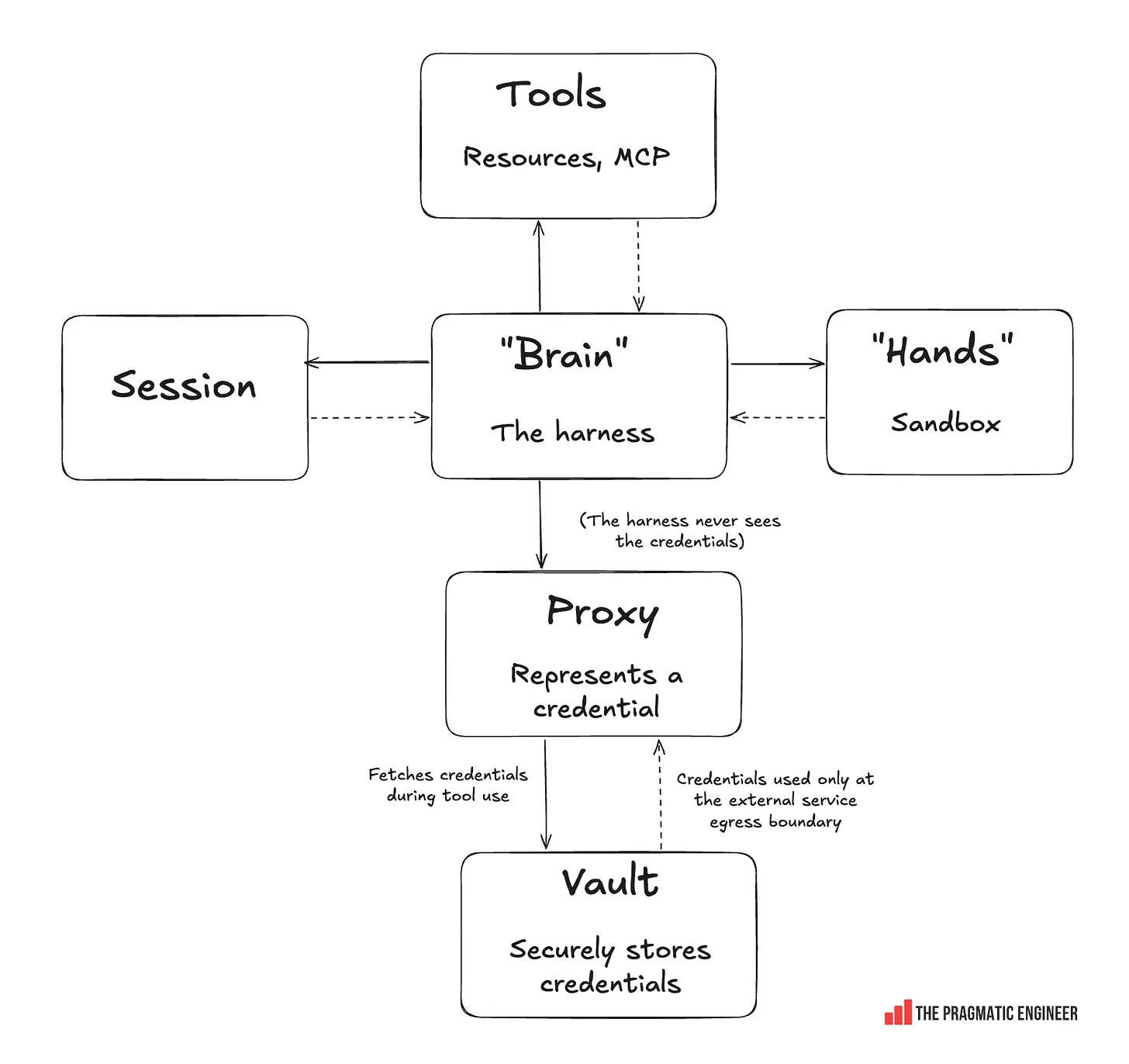
- Internal teams dogfood new platform services (e.g., using Claude Code to stress-test sandbox infrastructure) to discover edge cases in reliability, state management, and credential security early.
- Large-Scale Rewrites Become Viable
- Jarred Sumner migrated Bun’s 500k+ lines of Zig to Rust in 11 days using 64 parallel AI agents and $165,000 in API tokens.
- A project that would historically take 3 engineers a year with frozen features became feasible because the test suite was language-agnostic TypeScript.
- Evolving Engineering Practices
- Shift in Time Allocation: Engineers spend only ~15% of time on code implementation; ~85% goes toward discovery, prototyping, resolving build/compile issues, and validation/testing.
- AI-Led Verification & Review: Teams rely heavily on automated, multi-agent code reviews, fuzz testing written by AI, and security scanners to maintain trust at high pull request (PR) volumes.
- Fanning Out Work: Engineers routinely run 3–10 AI agents in parallel in the background or cloud to tackle separate sub-tasks simultaneously.
- Re-evaluating Assumptions: System prompts and output formats are constantly updated as new models release (e.g., stripping 80% of system prompts as models get smarter, or preferring HTML over Markdown for rich data output).

No comments:
Post a Comment