Tuesday, August 11, 2026

Open-Meteo Weather API

 open-meteo/open-meteo: Free Weather Forecast API for non-commercial use @GitHub

Open-Meteo is an open-source weather API and offers free access for non-commercial use. No API key is required. You can use it immediately!

Head over to https://open-meteo.com


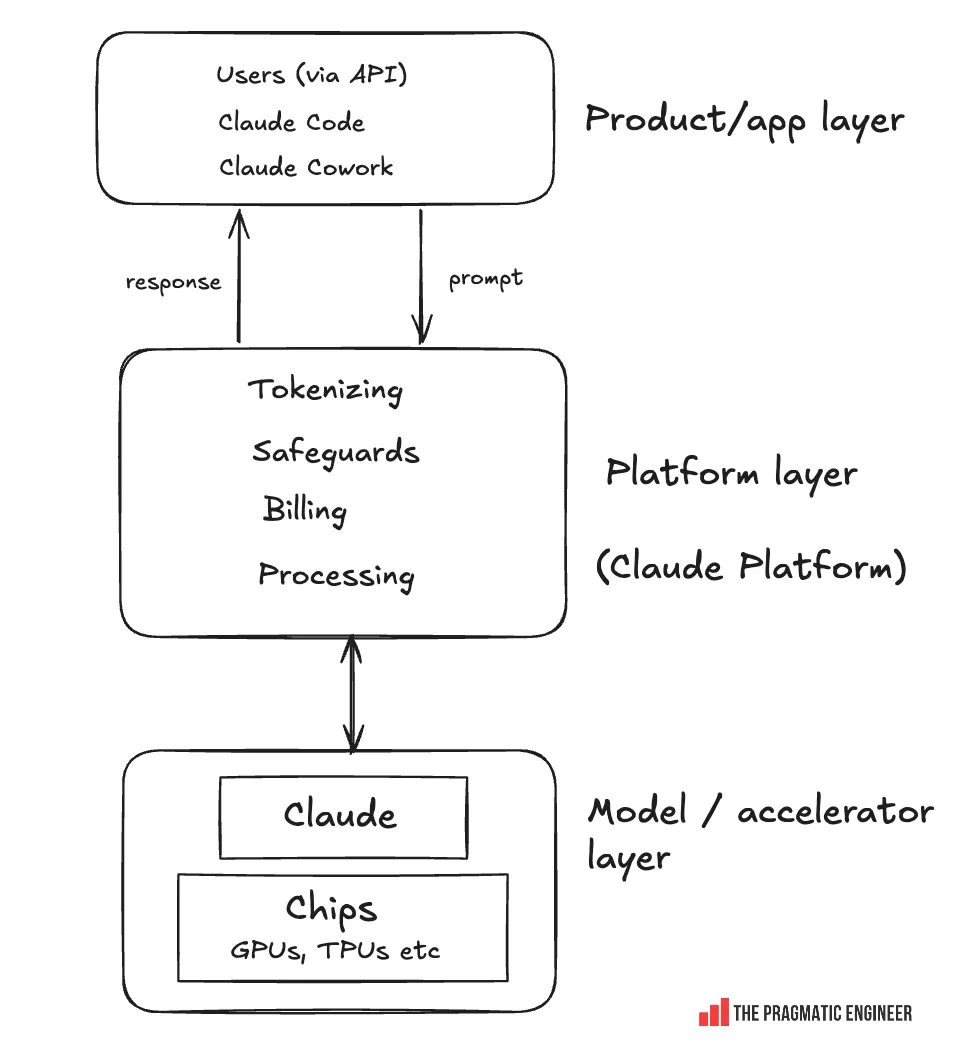
visual: AI "stack"

AI stack @ LinkedIn 

70% of Microsoft's entire AI revenue comes from one company.

Microsoft booked $24.1B from OpenAI last fiscal year. Behind that sits $261B of capex since 2022.

But here is the vulnerable part. Microsoft does not have a frontier model of its own.

Anthropic pays SpaceX $1.25B a month for Musk's Colossus clusters in Memphis. That is $15B a year, locked in through May 2029.


Anthropic AI SW process

Based on the article How building software is changing at Anthropic from The Pragmatic Engineer, here is a summary of how software engineering practices are evolving inside Anthropic:


Key Takeaways

  1. Complex Infrastructure Still Requires Planning

    • Projects with heavy architectural demands—such as Claude Managed Agents—still rely on traditional, pre-AI planning processes like Product Requirements Documents (PRDs) and cross-team alignment rather than immediate prototyping.

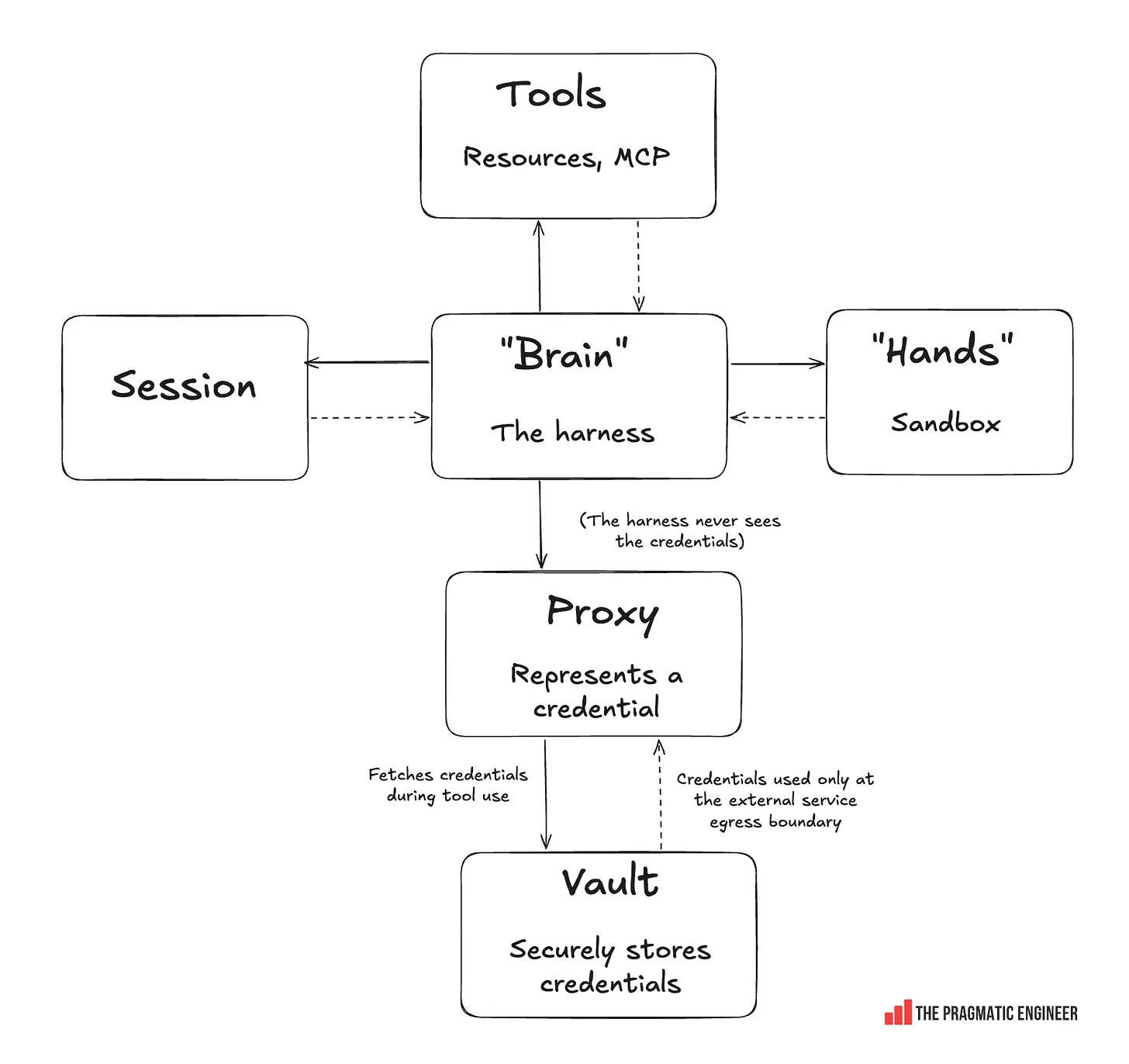
    • Internal teams dogfood new platform services (e.g., using Claude Code to stress-test sandbox infrastructure) to discover edge cases in reliability, state management, and credential security early.

  2. Large-Scale Rewrites Become Viable

    • Jarred Sumner migrated Bun’s 500k+ lines of Zig to Rust in 11 days using 64 parallel AI agents and $165,000 in API tokens.

    • A project that would historically take 3 engineers a year with frozen features became feasible because the test suite was language-agnostic TypeScript.

  3. Evolving Engineering Practices

    • Shift in Time Allocation: Engineers spend only ~15% of time on code implementation; ~85% goes toward discovery, prototyping, resolving build/compile issues, and validation/testing.

    • AI-Led Verification & Review: Teams rely heavily on automated, multi-agent code reviews, fuzz testing written by AI, and security scanners to maintain trust at high pull request (PR) volumes.

    • Fanning Out Work: Engineers routinely run 3–10 AI agents in parallel in the background or cloud to tackle separate sub-tasks simultaneously.

    • Re-evaluating Assumptions: System prompts and output formats are constantly updated as new models release (e.g., stripping 80% of system prompts as models get smarter, or preferring HTML over Markdown for rich data output).