Saturday, August 01, 2026

GraphCon 2026, neuro-symbolic AI, RDF vs LPG, MD is new HTML

a chat with Gemini to explore this leading-edge AI-related concept.

 State of the Art in Neurosymbolic Land - by Kurt Cagle

takeaways from
GraphCon 2026 in Seattle, highlighting a quiet industry consensus: the tech stack is shifting toward neurosymbolic AI—fusing neural networks with deterministic knowledge graphs to solve the LLM grounding problem.


Key Points

  • The Grounding-Layer Consensus: Industry architectures now treat deterministic graphs as a mandatory foundation under LLMs rather than an open debate, moving neurosymbolics from research into real-world investment.

  • Markdown as the "New HTML": Documents encapsulating YAML metadata, code, and narrative prose are becoming the primary structure for information spaces, serving as human-readable context and direct entry points for LLMs.

  • Semantics & RDF vs. LPG: Graph architectures are converging toward W3C standards (ontologies, taxonomies, reification, and graph containment), pressing schema-less property graphs to adopt formal semantics.

  • MCP as the Control Plane: The Model Context Protocol (MCP) is emerging as the control plane for agentic graph architectures, operating across a protocol communication layer and a underlying graph manipulation layer (e.g., SPARQL, SHACL validation).

  • Convergence on Holons: Multiple organizations are independently adopting "holons"—encapsulated knowledge graphs pairing a core knowledge graph with an evolving event graph.

  • Reification & Hypergraphs: Assertions about assertions (reification) make hypergraphs
    tractable and bridge human narrative language with structured machine reasoning.

  • Companion Piece: Fluents, Projections, and Observables


GraphCon — GraphGeeks

GraphGeeks is a global community for data enthusiasts, researchers, and professionals passionate about graph technology.


Pagila 4: Sample Posgress DB, port MySQL's Sakila

Issue #659: Three more things about Postgres 19 — Postgres Weekly

Pagila 4: A Sample Database for Postgres — Originally a port of MySQL's Sakila example database, Pagila has been extended to support numerous Postgres-specific functions (like SQL/JSON and UUIDv7) and v4.0 (which requires Postgres 18) is much larger with a more diverse dataset.

 devrimgunduz/pagila: PostgreSQL Sample Database


Housing + AI: Preapproved Building Plans

 Preapproved Building Plans Help Cities Improve Housing Affordability | The Pew Charitable Trusts

Drawings cleared in advance save time and costs for municipalities and builders


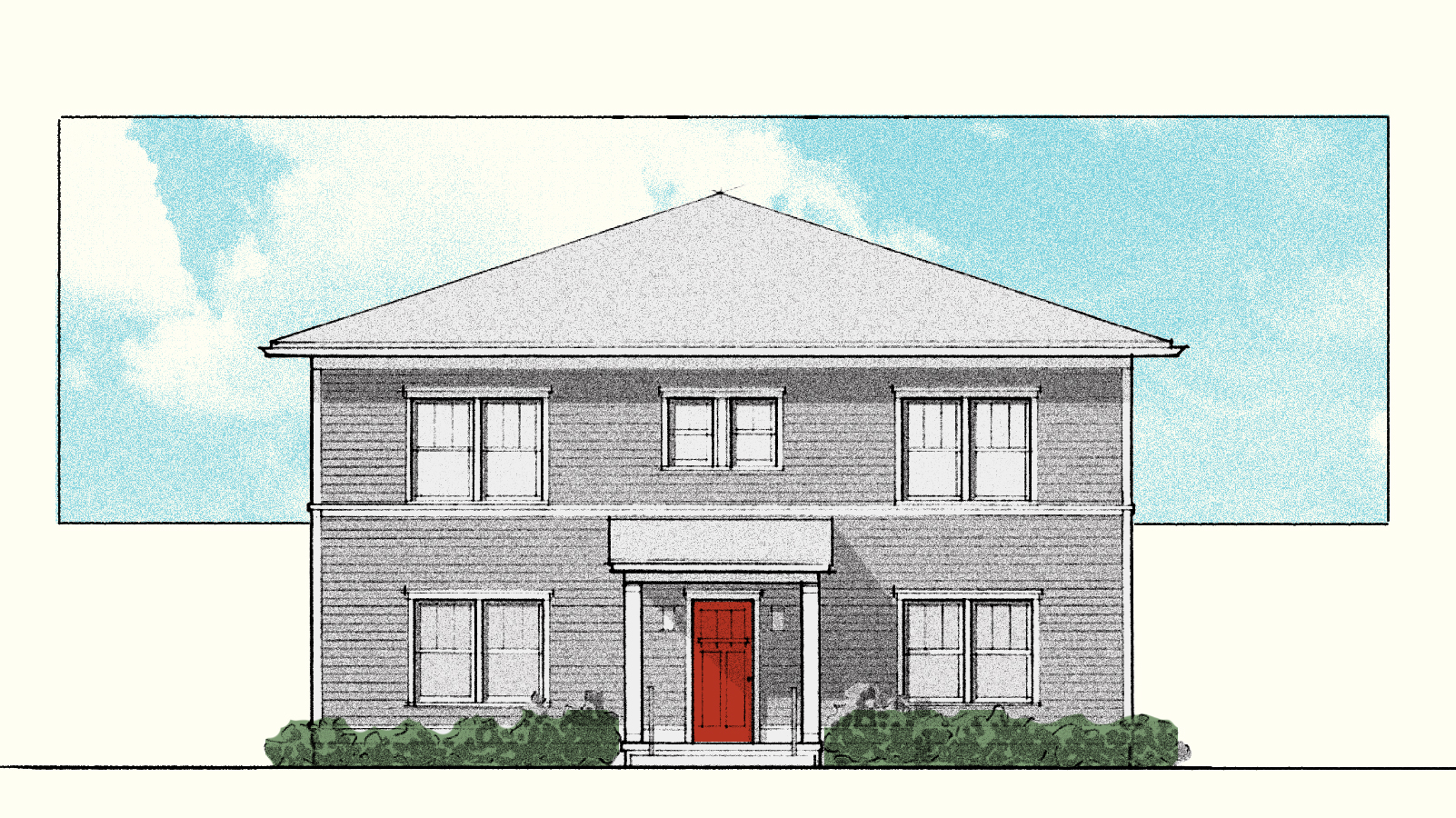
A preapproved building plan is a reusable set of architectural designs and blueprints that a local government agency has already vetted and cleared. Builders can use these plans for free or a nominal fee to bypass the lengthy, discretionary phases of the traditional preconstruction permitting process.

Key Findings & Benefits

  • Reduces Costs: Using preapproved plans saves developers an estimated 1% to 2% in total construction costs (about $5,000 to $10,000 on a $500,000 home) by reducing spending on architects and engineers.

  • Saves Time: It eliminates the case-by-case discretionary review board process, significantly shortening preconstruction timelines. In Seattle, for example, preapproved plans reduced approval times by a factor of 2.6.

  • Focuses on "Missing Middle" Housing: Most current programs focus on smaller structures like Accessory Dwelling Units (ADUs), single-family homes, and duplexes, though some cities include small multifamily units (up to 6 or 12 units).

  • Benefits Municipalities: Cities save staff review time and see improved land utilization through more infill development (building in existing neighborhoods using established infrastructure). It also lowers the barrier of entry for smaller, local developers.


Implementation Models

  1. Pattern Books (Catalogs): A published catalog of predesigned homes tailored to local architectural styles. Examples include South Bend, Indiana's "Build South Bend Toolkit" and Jackson, Michigan's "100 Homes Program."

  2. Self-Submitted / Reuse Plans: Programs that allow a developer to register a previously approved plan for expedited reuse on future projects, or a digital "library" of shared, pre-cleared designs (used in places like Hawaii County and California).

Note: While promising, the report notes that preapproved plans are a nascent policy tool (used by roughly 40 U.S. jurisdictions and mandated statewide for ADUs in California) and are most effective when paired with broader zoning reforms like eliminating parking mandates or reducing lot sizes.


the true, often overlooked bottleneck in solving the housing crisis is the slow and administrative permitting review process.

While AI cannot physically build homes or fix zoning laws, it can drastically accelerate housing production by rethinking and streamlining government workflows—catching application errors early, reducing review backlogs, and cutting approval times significantly (by up to 70%, as demonstrated in Honolulu). The goal is to completely reinvent how local governments operate rather than just digitizing a broken process.